
San Antonio was never on my list. Up until a certain point I didn’t even know that much about it other than it being the home of the Alamo. Through the summer months of 2018 I was itching to nail down my next destination, but having just moved into an apartment in downtown Philadelphia, an affordable trip was of utmost importance. I came across this article from U.S. News and that’s when San Antonio caught my eye. A quick search of flight and hotel rates impressed me, and as I did more research on the city itself I thought it was worth a trip. I had no idea how much I would love it.
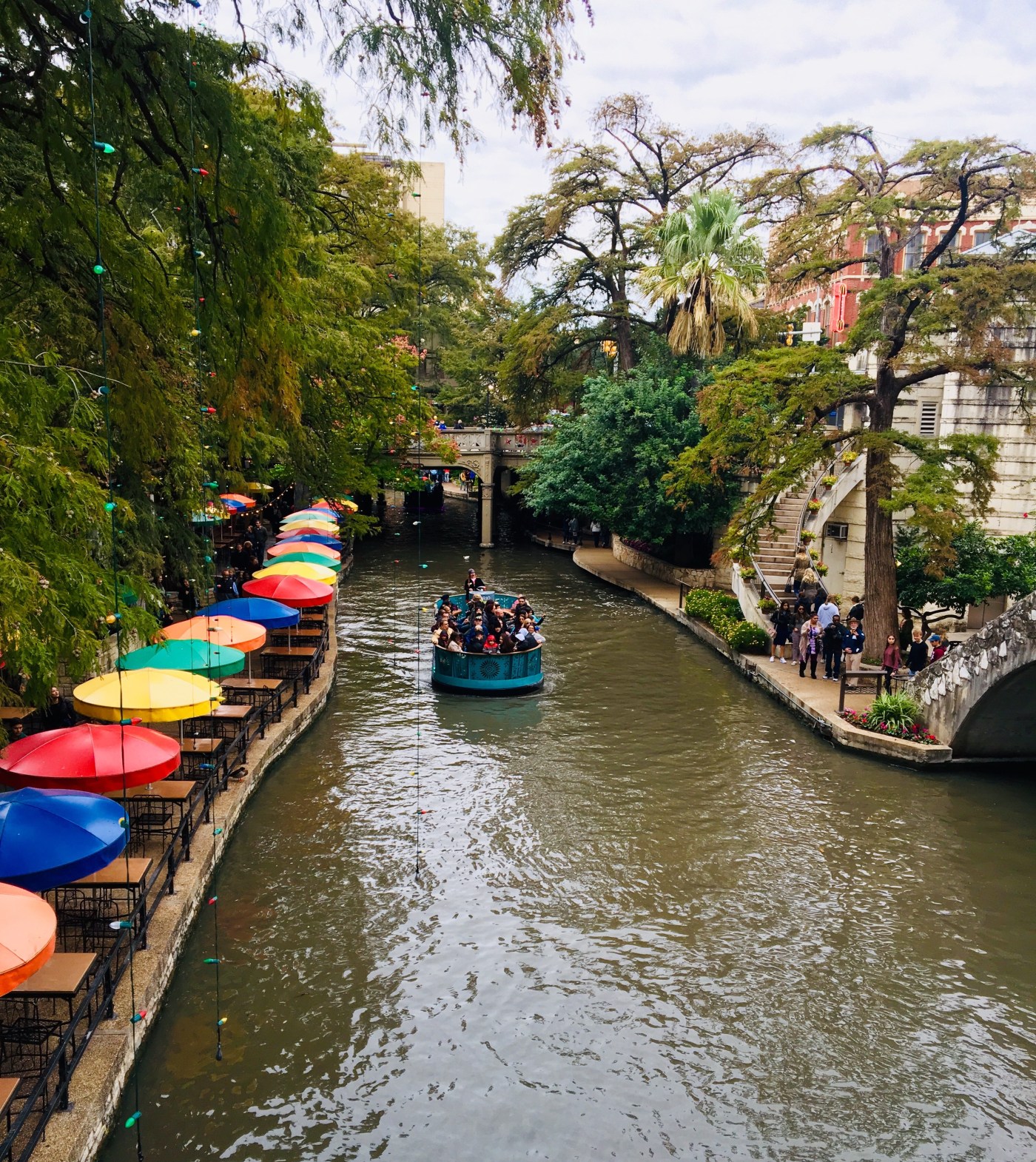
The lifeblood of San Antonio is the river of the same name that runs right through its downtown, and it has been that way for centuries, from the time of native American hunter-gatherers to the Spanish establishment of missions along its banks. The modern San Antonio River in the downtown area is developed with a paved walkway on either side lined with hotels, shops, and restaurants a story below street level. The River Walk, as it is called, has become a destination in and of itself. A riverboat ride is an absolute must – and you should definitely do it in the evening when the boats are illuminated and the walk is bustling.

The River Walk is lush with notable accommodations and is certainly the place to be, but for the budget-friendly traveler there are plenty of stay options not immediately on the River Walk that still offer accessibility to the downtown. My choice was the Best Western Premier Historic Travelers Hotel on Broadway Street, a two block walk from the River Walk and one block from the Alamo. This hotel offers historic flair with modern amenities. I wasn’t sure what to expect getting such a good rate on something right downtown, but found it to be clean and comfortable, in a safe location, and with exceptional hospitality.
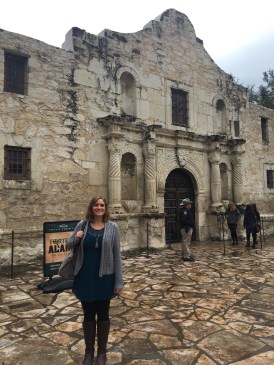 San Antonio is a history lover’s paradise. Your first stop should obviously be the Alamo. Everyone I know who had been to San Antonio before me told me that I would be let down by the Alamo. Admittedly it is much smaller than you think, but I was not disappointed, because its symbolic past speaks for itself. This Catholic-mission-turned-military-fortress played a pivotal role in the Texas Revolution that resulted in Texas becoming the independent Republic of Texas that later would be annexed by the United States – in other words, the U.S. might not have become the world power it is today without this historic chain of events. Fun fact: the Alamo is so revered that state law prohibits any modern development to even cast a shadow on it.
Along with the Alamo, there are four historic missions south of the downtown area that make up the San Antonio Missions UNESCO World Heritage Site: Mission Concepción, Mission San Jose, Mission San Juan Capistrano, and Mission San Francisco de la Espada. The missions lie essentially in a straight line along the river in Missions National Park, which makes it easy to hop from one to the next, and there’s a bus line that runs with stops at all four. The more scenic route, however, is the trail that connects all four missions. San Antonio has a bikeshare which is a simple and great way to get from mission to mission. It’s about a 10 mile trip one-way, with about 2.5 miles in between each stop, and takes you along a less-developed and more wildlife-rich part of the San Antonio River. You’ll truly get a feel for the abundant ecosystem and why its earliest settlers chose it as a place to thrive. Don’t worry, you can take the bus back downtown after your lengthy cycle (I did!).


On the way back downtown, stop off in the King William District, a historic German-settled neighborhood full of Victorian-era mansions. If you’re curious for a peek inside one of these mansions, you can visit the Steves Homestead Museum. And while you’re in the neighborhood, stop for lunch and a brew at Blue Star Brewing Company – did I mention they have a brisket-topped burger?

Back downtown, you can keep getting your history fix with a visit to the Buckhorn Saloon & Museum, where you can learn about the Texas Rangers and see collections of taxidermied animals (not for you if stuffed dead animals creep you out – but they do let you walk through the museum with drinks from the saloon!)

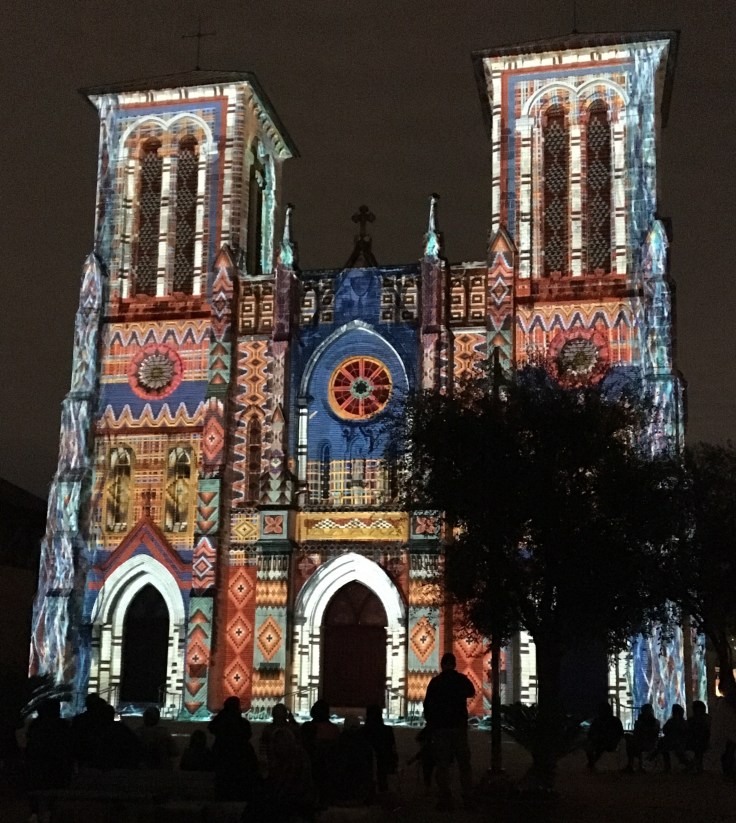
For a unique and aesthetic representation of San Antonio culture, head over to the San Fernando Cathedral plaza on a Tuesday, Friday, Saturday, or Sunday night. A light show is projected onto the facade of the cathedral which takes you through an artistic interpretation of local history from the earliest settlers to the modern San Antonio skyline.
If you’re in the mood for some shopping, La Villita is a must. This historic village connected to the River Walk is now a flourishing arts community where you can find artisanal souvenirs, jewelry, folk art, and more. On the other side of town, Market Square is your destination for Mexican goods, and you’ll feel like you’re shopping in an authentic Mexican mercado.
For a foodie there are a few things you have to try in San Antonio. First and foremost is Boudro’s famous tableside guacamole. Yes, they make the guacamole right there at your table and it is the best guac you will ever have. Be sure to pair it with a prickly pear margarita. The guac is also served at Boudro’s sister restaurant Zinc – their ancho crusted short rib sandwich is to die for.


Also worth a trip is the Pearl Brewery complex a short ride north of the main River Walk area. You can spend some time shopping here, but don’t leave without eating. The complex is home to the Culinary Institute of America and has become a culinary destination with a farmer’s market and a plethora of innovative restaurants. Despite the name, Pearl beer is no longer brewed here, but you can get a good craft beer at The Granary or Southerleigh who both brew onsite.
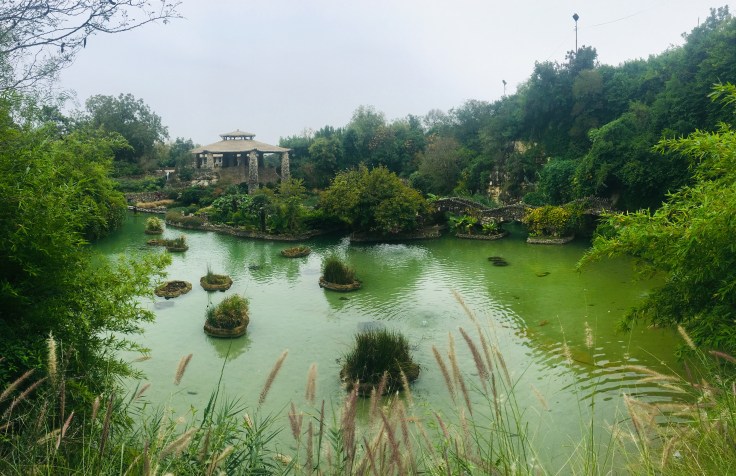
When you make the trip to Pearl, you are nearing the section of the River Walk known as the Museum Reach. From there you can easily get to a number of attractions. Being a fan of off-the-beaten-path attractions, I made a trip to the Japanese Tea Garden, which was designed out of a former rock quarry. It’s free to visit and doesn’t take much time to walk the whole thing, but it is relaxing to get a bubble tea from the cafe and sit and watch the koi fish. You can still see remnants of the location’s past – an eerie smokestack still stands from the cement plant that once occupied the area.
I also visited the Witte Museum, where I lost myself for hours learning about the animal species native to Texas’ various ecosystems and the state’s history and heritage. Especially interesting was their exhibit on the People of the Pecos, the prehistoric hunter-gatherers of Texas. There’s plenty more to do nearby, including the zoo, the botanical gardens, and more of San Antonio’s museums.
I doubt you’ll run out of things to do in San Antonio, but depending on your length of stay, the capitol city of Austin is under two hours away and makes a great day trip or overnight. More on my day in Austin to come!
San Antonio is full of beauty and should be your next destination. It will capture your heart. It will charm you with its southern hospitality and its proud people who live and breathe its storied past and unique culture every day.

 C to Shining C