Belgium is the holy land for a beer lover. It’s hard to even put into words how much impact this country has had in the beer economy. The influence of Belgian styles of beer can be found in modern breweries all over the world. Beer is such an iconic part of Belgian culture that it was even declared one of UNESCO’s experiences on its list of Intangible Cultural Heritage of Humanity. Any beer aficionado has to visit this amazing country at some point in their life if they are so fortunate to have the opportunity. Being the craft beer lover that I am I will humbly admit that my knowledge of Belgian beer prior to my trip to Belgium wasn’t even the tip of the iceberg. I was familiar with some basic styles like Belgian whites and strong ales, but couldn’t tell you what a lambic or Trappist beer was.
Trappist Beers
The Trappists are an order of Catholic monks that originated in La Trappe, France, and established monasteries throughout Europe. Since the Middle Ages, many monasteries included a brewhouse as a means of supporting and feeding the community, and in modern times their beer is used to fund the abbeys and the monks’ charitable work. Trappist beers are primarily top-fermented and bottle-conditioned, with specific systems used to label them based on their strength. There are currently 5 traditional Trappist breweries – this number was 6 until only recently in 2023 as Achal Abbey was sold to a private buyer, with its last two remaining Trappist monks moving to Westmalle Abbey.
The first Trappist beer that I tried while in Belgium was from Chimay. With a lovely dinner of Liégeois meatballs at Brasserie de la Presse in Brussels, I had a Chimay Bleue (in small bottles it’s also called Grand Reserve). The Chimay Brewery is located at the Scourmont Abbey in Chimay, Wallonia near the Belgian border with France. The Chimay Bleue beer was first sold in 1954 as a special Christmas beer. It has a beautiful dark color and rich chocolately flavor and comes in at a strong 9%. I must say this one has become a favorite for me, and luckily it’s not terribly hard to find in the U.S.

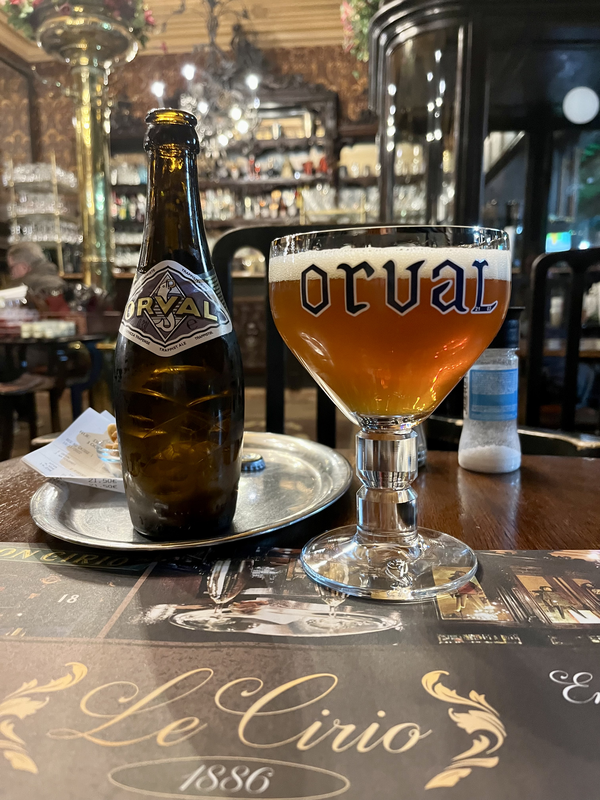
With my meal of waterzooi at Le Cirio in Brussels, I had an Orval. The Abbaye Notre-Dame d’Orval is located in Gaume, one of the southernmost regions of Belgium where it meets France and Luxembourg. The Orval Abbey brews only two beers: the Orval, which I had, and Orval Vert which is only available in a cafe near the abbey. Orval was first brewed in 1931 and has a fruity and highly bitter taste due to the dry hopping method used in the brew process.
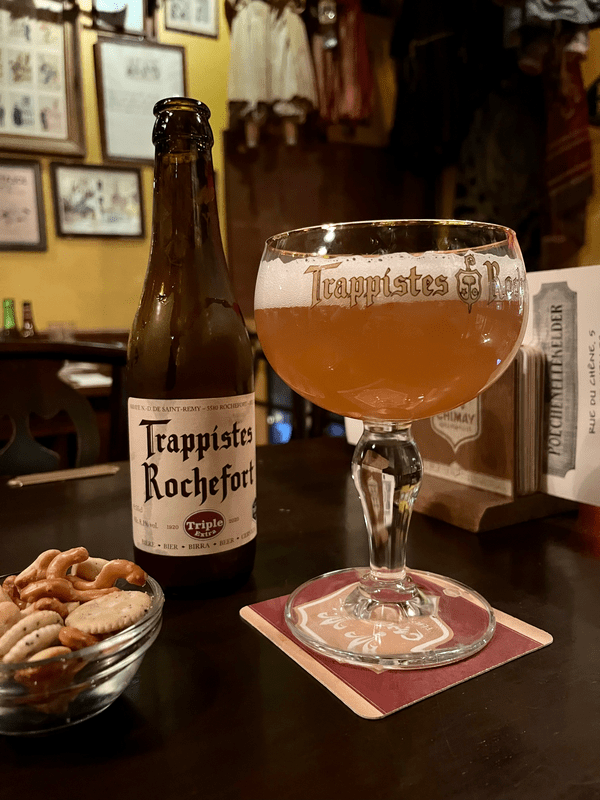
In a quirky bar called Poechenellekelder decorated in puppets and located directly across from Brussels’ famous Mannekin Pis statue, I stopped in and had a Rochefort Triple Extra. The Rochefort Abbey dates back to the 13th century in Rochefort, in the province of Namur, Wallonia. The Rochefort Triple Extra is a newer beer that Rochefort just started brewing in 2020 which commemorates an earlier beer brewed in the 1920s. It’s 8.1% and is a strong pale triple ale with notes of spice and citrus.
Delirium Cafe
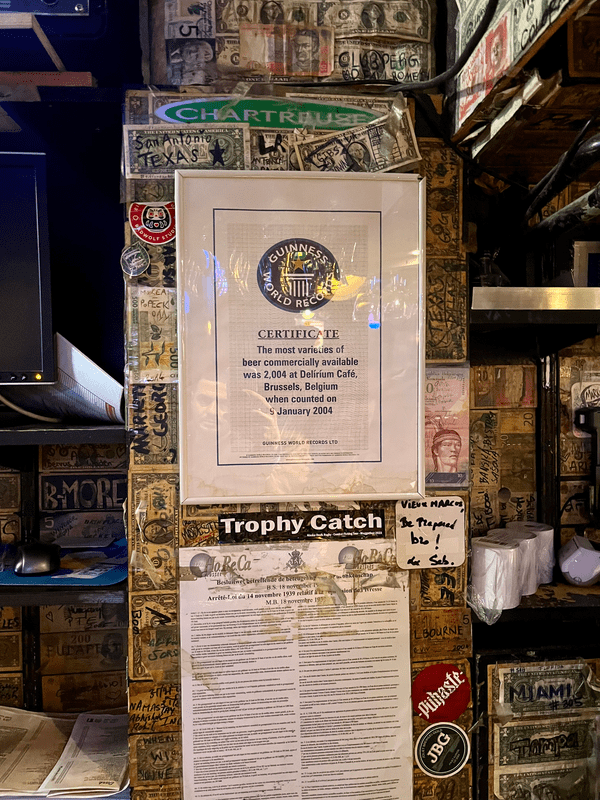
A visit to Brussels for a beer lover must include an evening at Delirium Cafe. It’s the place that holds the Guiness World Record for most beers on tap with 2,004 beers recorded in 2004. I found it to be a bit of a playground for a beer lover. There are several spaces that make up “Delirium Village” – several floors including an outdoor garden area, and the basement where you can see the actual Guiness World Record certificate. The options are endless.
First I had an Abbaye de Forest Blonde from Brasserie de Silly, a microbrewery that dates back to 1850 in the village of Silly southwest of Brussels. The Abbaye de Forest is a 6.5% blonde that is bitter, sweet, and fruity. It’s recognized as an abbey beer, meaning it was brewed in the same styles as Trappist beers but did not originate in a Trappist monastery.
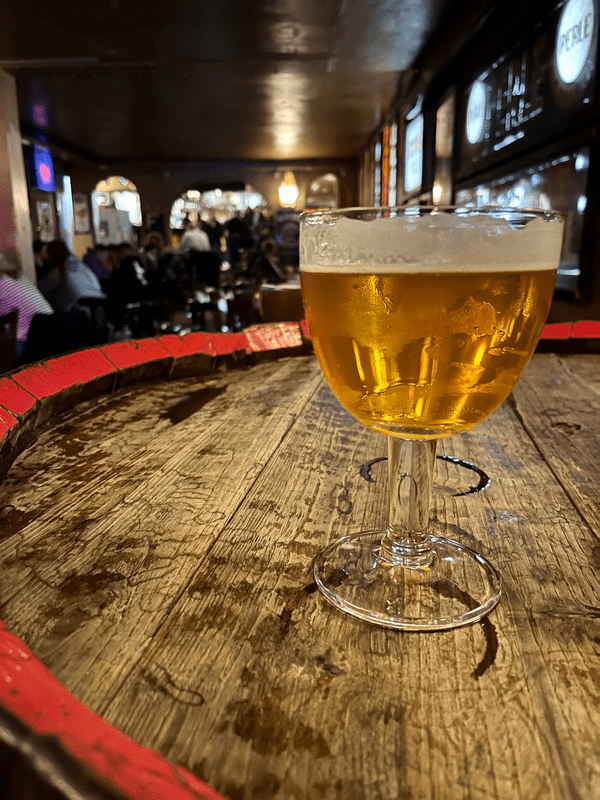
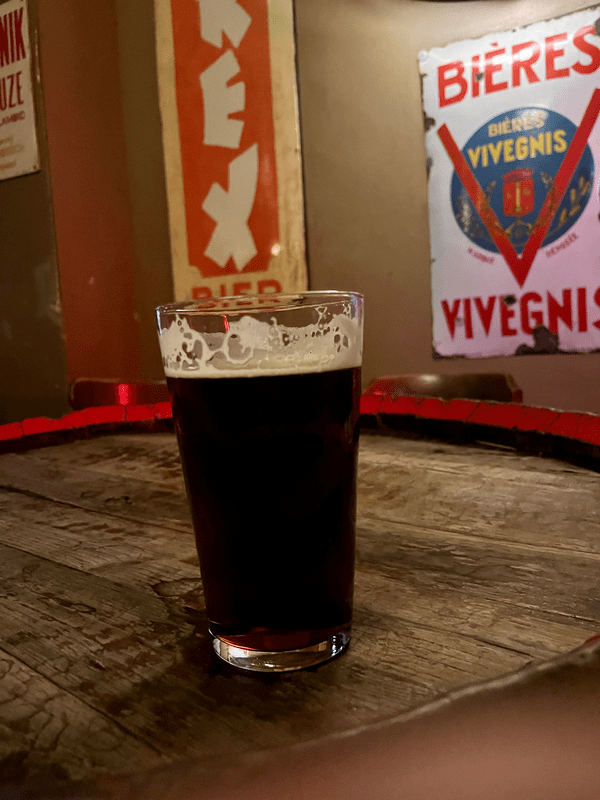
The second beer I had here was Delirium Nocturnum from Delirium Brewery itself. This one is an 8.5% Belgian Strong Dark Ale. Strong and dark it was indeed, with a reddish brown color and sweet and malty caramel notes.
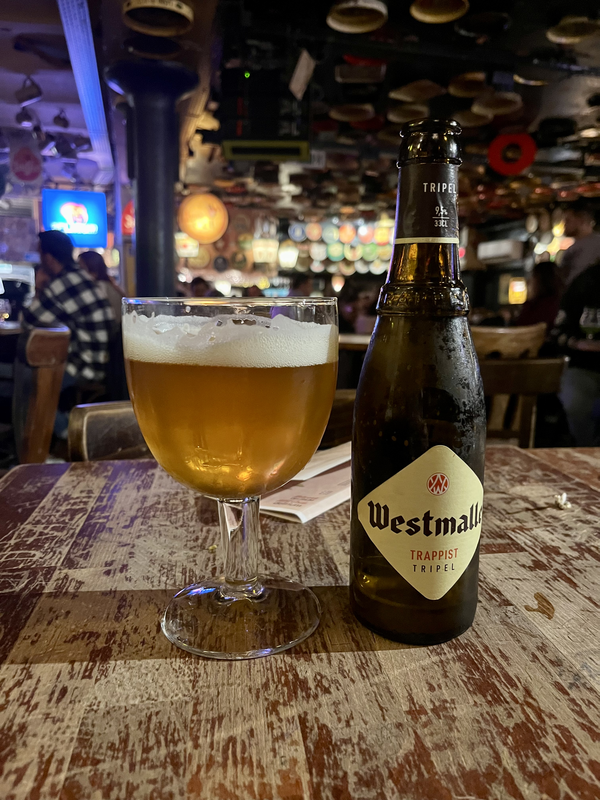
Moving into the basement of Delirium, I enjoyed a Westmalle Tripel, another Trappist beer. Westmalle Abbey is located in the north of Belgium, just outside the major city of Antwerp. Westmalle brews three main beers: Dubbel, Tripel, and Extra. The Tripel is 9.5% with a golden color and notes of hops and banana. It’s often referred to in the brewing world as the “mother of all tripels.”
Cantillon Brewery and Brussels Museum of the Gueuze
The absolute must in Brussels is Cantillon Brewery, one of the holy grails of the beer world, family-owned and operated since 1900. I had the most amazing and memorable time here.
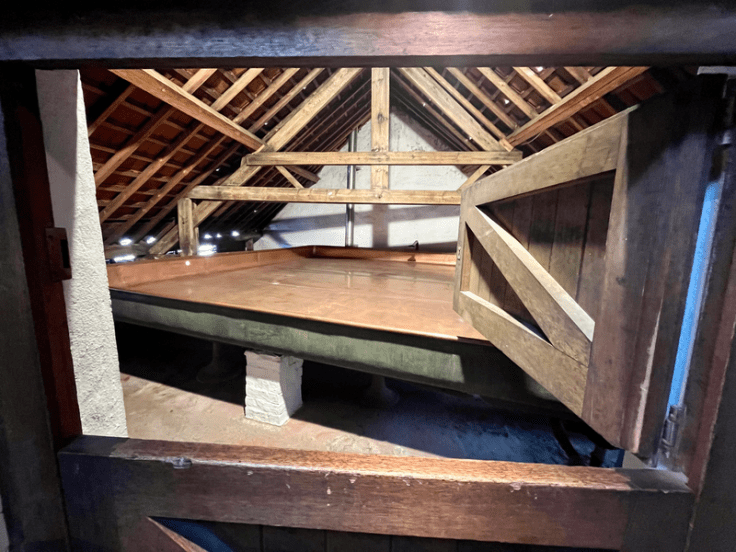
I started my visit by doing the tour through the Museum of the Gueuze, where you learn all about the lambic style of brewing that Cantillon is known for. Lambics are different from other brewing styles due to the use of spontaneous fermentation – in other words, rather than introducing a specific strain of yeast to the beer, the wort is left out in the open to capture whatever natural strains of yeast happen to come in contact with it. The beer is then aged in oak barrels. One tidbit that I found interesting was that I noticed walking around that there were a lot of cobwebs throughout the brewery, and that’s not due to bad housekeeping – it’s intentional. Because of the methods of brewing lambics , the brewery doesn’t want to use chemicals to deter pests, so spiders act as a natural insect trap to keep pests out of the brew.
The tour ended with a complimentary tasting in the tasting room. I got my first sample and sat down alone at a table in the corner, only to be asked by a couple of fellow U.S. citizens at a nearby table if I wanted to join them. One of them had been to Cantillon before and explained that this was just the nature of Cantillon – that the tasting room was a social experience. The three of us eventually merged with another table full of visitors from all over the world including a few members of the band Heilung. We had the best time, and it was amazing sitting at a table of at least 12 people with almost as many nationalities represented. We tried just about every beer they had on the list and ended up staying the entire afternoon. Pic of the damage:
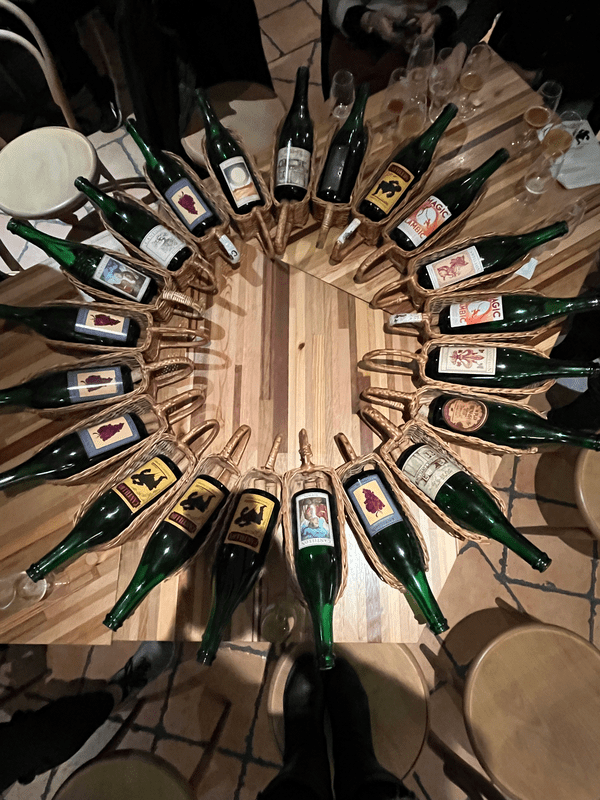
Lambics are interesting with their tart, earthy palate. The girl from the U.S. that I was drinking with wasn’t much of a beer person, but even she enjoyed all of the lambics since some of them almost taste like a wine. My absolute favorite beer that we tasted was a limited release called Poivre de Gorilles. It was a blend made with black pepper from the Republic of the Congo. I’ve had peppery beers before but I can’t even describe the smooth, complex peppery yet not-too-spicy flavor of this one. I would kill to have it again.
Cantillon beers are hard to come by in the United States. Where they are imported to, they typically sell out fast and at a premium price. So I learned a lesson from my new taproom friends – when in Brussels, bring an extra suitcase for Cantillon bottles!

Moeder Lambic Fontainas
I stopped in one night into Moeder Lambic Fontainas. This bar in Brussels and the original Moeder Lambic location just south of the city are known for their wide selection of Belgian beers. Here I had a Troubadour Magma from Brouwerij The Musketeers, a more modern microbrewery located in Sint-Gillis-Waas just west of Antwerp. Troubadour Magma is their 9% Tripel IPA which has both the hoppy characteristics of an American IPA and the sweet fruitiness of a Belgian tripel.

Stella Artois
Of course I’d be remiss if I didn’t mention Stella Artois. I know you can find it on tap in just about any bar in the United States, but much like having a Heineken in Amsterdam, having a Stella while in the country that it originated in just hit differently! With all of these strong, rich Belgian beers I had been drinking it was so nice on my day trip to Ghent and Bruges to end the day with a refreshing lighter beer that I knew wouldn’t leave me asleep on the train!
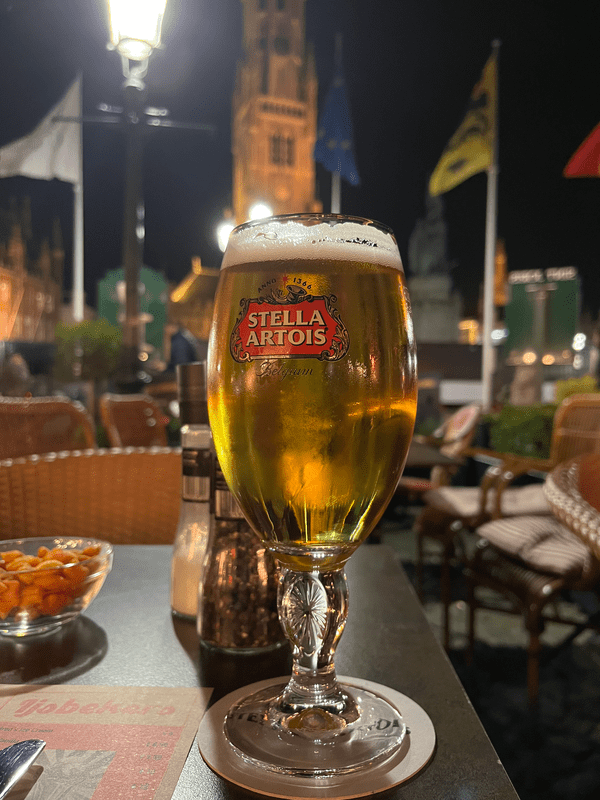
Even after drinking my way through Brussels I still don’t feel like I’ve made a dent in all of the delicious beer this country has to offer! I really felt like this trip expanded my knowledge of the world of beer and was the final push I needed to make the leap into brewing my own beer (yes, I’m now a rookie homebrewer!). I hope that my travels take me back one day to experience even more, or even just to spend another tipsy afternoon making friends at Cantillon!

 C to Shining C