The second stop on my Polish adventure was Warsaw, Poland’s capital and largest city. Nearly entirely decimated during the Second World War, you won’t find as much “old world” charm here as you would in other Polish cities like Kraków, but that doesn’t mean you won’t feel the history throughout the city. From the cobblestone alleys of the “New” Old Town to the towering reminders of the Soviet era, Warsaw is a fascinating juxtaposition of past and present. Here are some of my favorite things I did in this resilient city.
Disclaimer: This post contains affiliate links. This means if you choose to make a purchase after clicking on one of the links, I earn a small commission at no cost to you. I only recommend businesses that I personally use and any commission earned goes to maintaining C to Shining C.
Stay
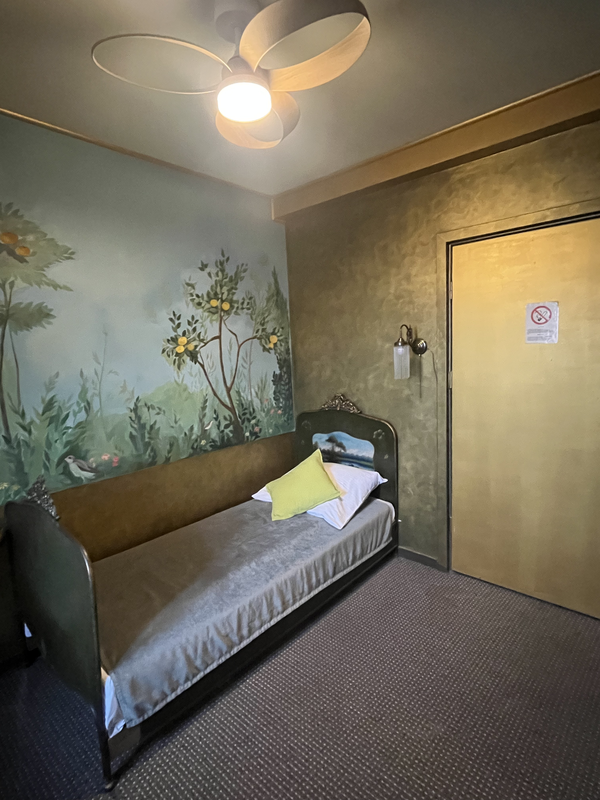
In looking at hotels for Warsaw, the Castle Inn immediately caught my eye as a unique property. It features themed rooms with unique furniture and decor to match the rooms’ themes – I chose to stay in the Pompeian room, with antique furniture and a wall mural replicating a Pompeian painting from the year 20 B.C. The hotel is so named because it sits right on Castle Square across from the Royal Castle in Warsaw’s Old Town – despite being in a tourist hotspot, my stay in the hotel was very quiet. Upon check-in, I learned that the hotel is one of only 4 buildings in Old Town that survived the World War II decimation. As such, it’s an old building – meaning no elevator, so be prepared to schlep your luggage up some stairs if you’re staying here!
Getting Around
I arrived in and out of Warsaw via train at Warszawa Centralna station, the primary train station in downtown Warsaw, and was able to connect to my hotel in Old Town via a 10-minute tram ride. If arriving via airport, Warsaw Chopin Airport (WAW) is a 20-minute drive from downtown with plenty of ways to connect via public transit.
For my stay in Warsaw, I ended up buying a 3-day ticket for public transit. Warsaw is a large city, and its well-connected public transit makes it easy to navigate via bus and tram. You can buy the multi-day passes at the kiosks located at many of the public transit stops – just be sure to validate it on the bus or tram when you take your first trip. I frequently encountered ticket inspectors while riding public transit throughout Poland, and if they catch you without a validated ticket you can face a hefty fine!
Things to Do and See
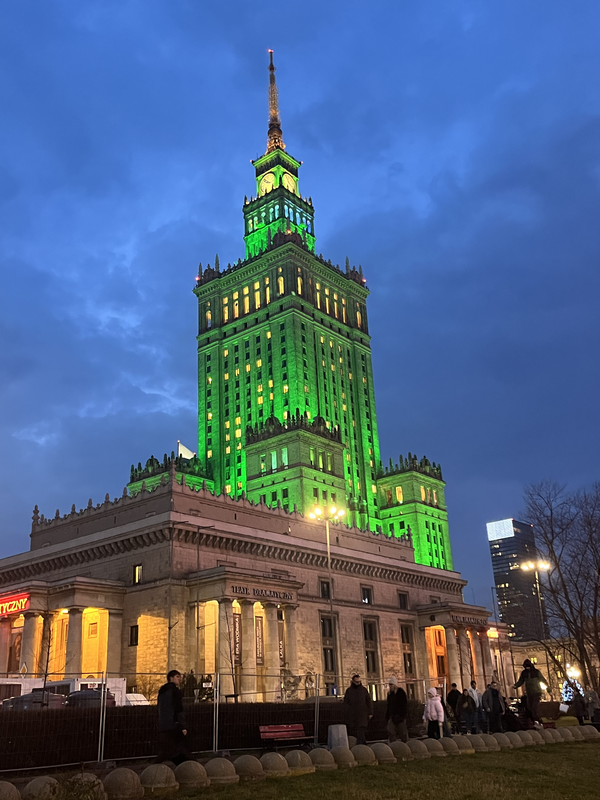
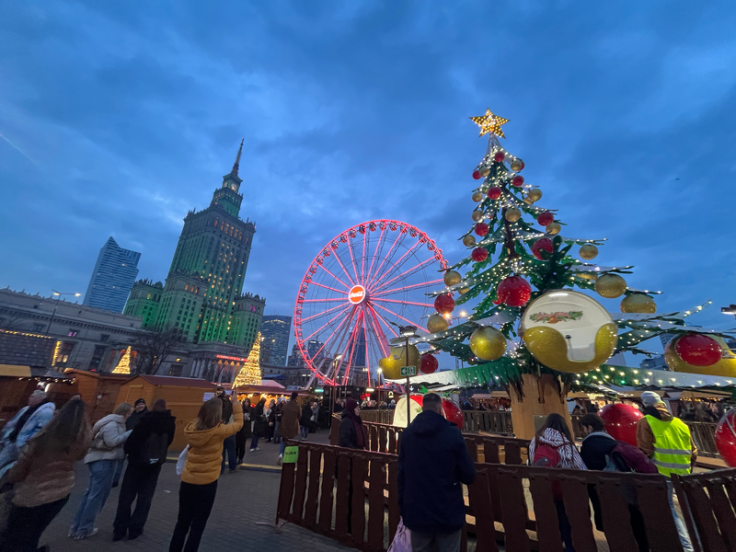
One of the first things I saw when I left Warsawa Centralna station was the Palace of Culture and Science. This highly-contested building is one of the most recognizable buildings in the Warsaw skyline. Built in 1955 as a gift from Joseph Stalin to the people of Poland, the building stands as a painful reminder of Poland’s time under communist rule and there have been talks for years about demolishing the building. In the meantime, this 778-ft. high-rise with a spire and clock tower today houses various cultural and community institutions as well as the City Council offices. It also features an observation terrace for panoramic views of Warsaw. The surrounding parks and grounds also serve as space for community events – during my visit, the Warsaw Christmas Market was taking place. Warsaw has a few Christmas Market areas throughout the city, but the one adjacent to the Palace of Culture and Science is the largest, featuring a Ferris wheel, carnival rides, and food and artisanal vendors. Read more about visiting this as well as other Polish Christmas Markets.
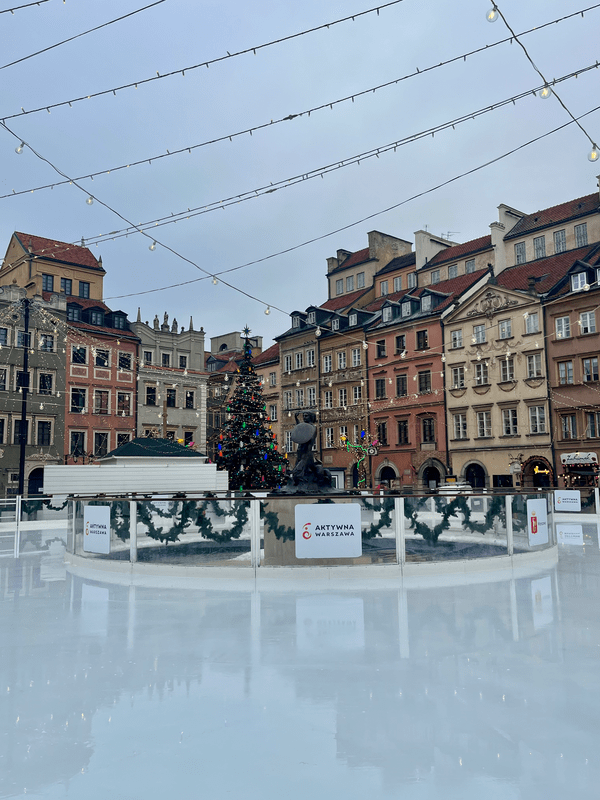
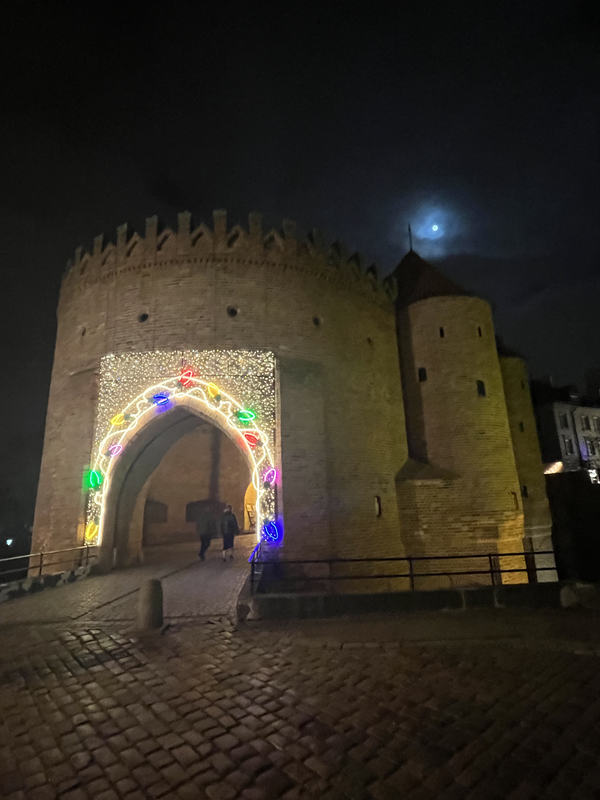
After checking into my hotel, I took a wander around the Old Town area. This settlement dates back to the 13th century. After the devastation of the German bombings in World War II, many of the buildings of Old Town were meticulously reassembled using as many of the original bricks as could be salvaged. In the heart of Old Town is Rynek Starego Miasta (Market Square), which during my visit was activated with an ice rink and food vendors for Christmastime. Along Podwale Street, you can see some of the Old Town’s best-preserved medieval fortifications, including the Barbican.
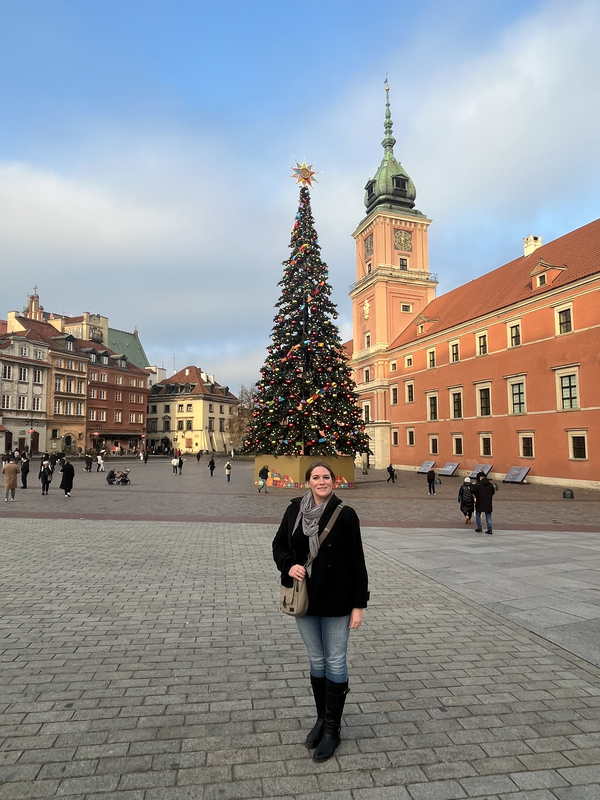
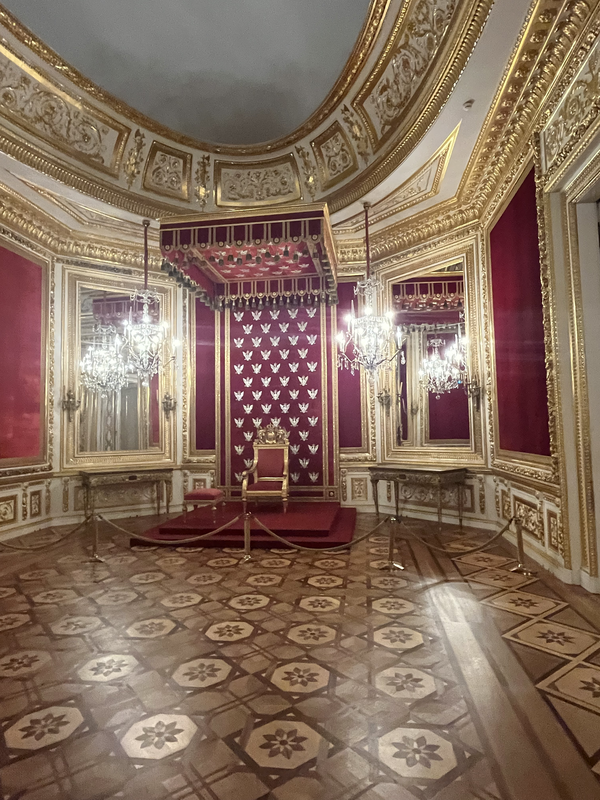
I next visited the Royal Castle in Warsaw. This is a national historical monument that once housed the Polish monarchs. It was entirely destroyed during World War II from a targeted bombing by the German Luftwaffe. It underwent extensive restoration efforts from 1971–1984, and the Castle and surrounding Old Town were declared a UNESCO World Heritage Site in 1980. Today it houses an impressive collection of Polish and European art and the Royal Apartments, restored to appear as they were during the time of King Stanisław August (1764–1795).
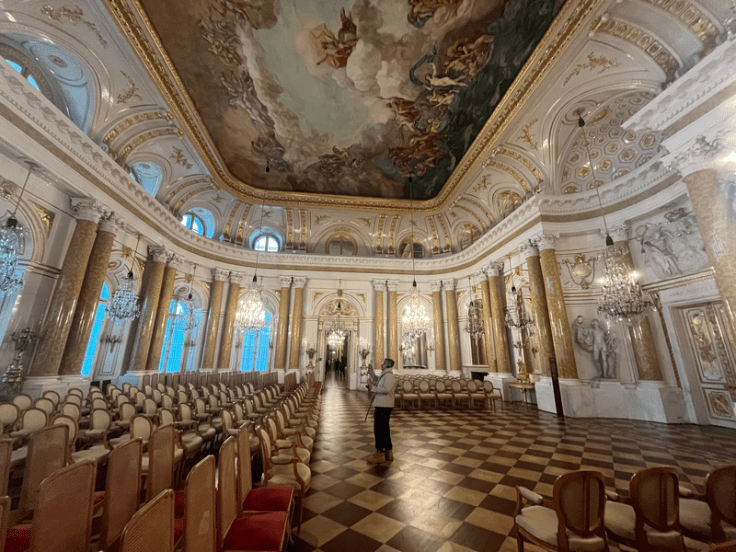
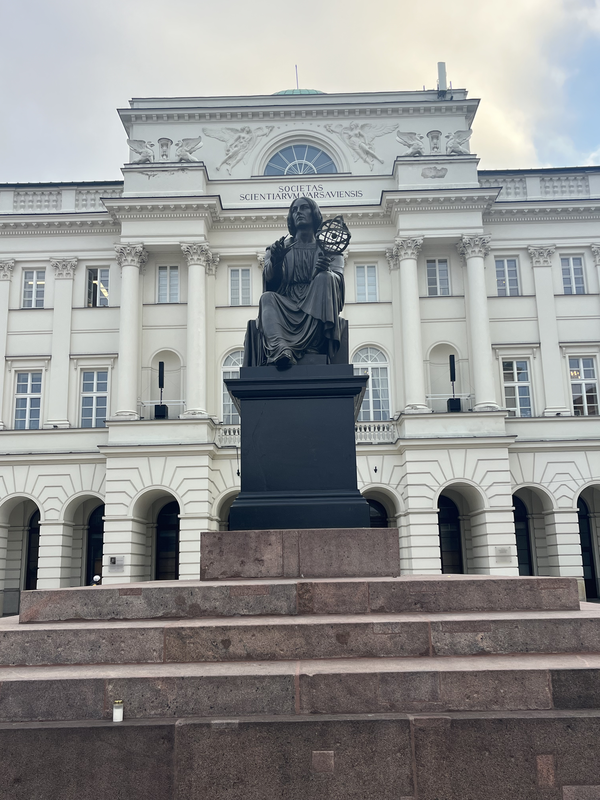
After visiting the Royal Castle, I continued on down the “Royal Route,” the connected streets of Krakowskie Przedmieście, Nowy Świat, and Aleje Ujazdowskie that make up the cultural and historical heart of Warsaw. A few notable places I saw along the Royal Route were the Presidential Palace, the official residence of the Polish president; the Baroque Church of the Holy Cross that serves as the final resting place for the heart of Fryderyk Chopin; and the Nicolaus Copernicus Monument in honor of the Polish astronomer. I also had a laughable moment when I popped into the rococo Church of St. Joseph of the Visitationists. I was the only person in there, and had a peaceful moment taking in the beautiful detail of the church’s interior. When I went to leave, I couldn’t figure out the latch system on the heavy old doors. After a few minutes of panic thinking I was locked into this church alone, something that I tried worked and I was able to breathe a sigh of relief.
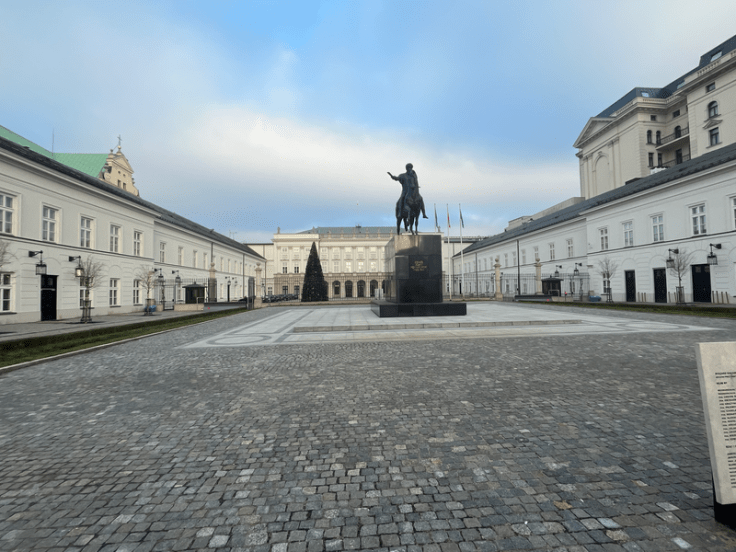
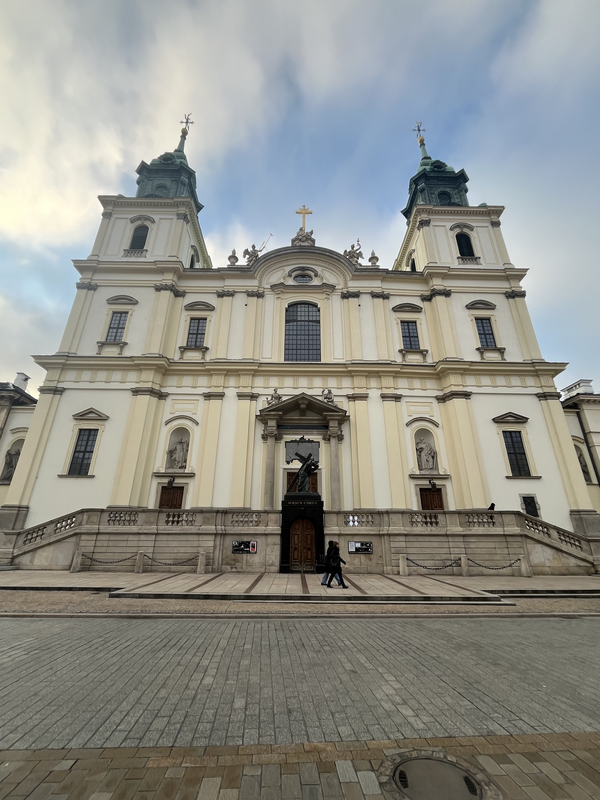
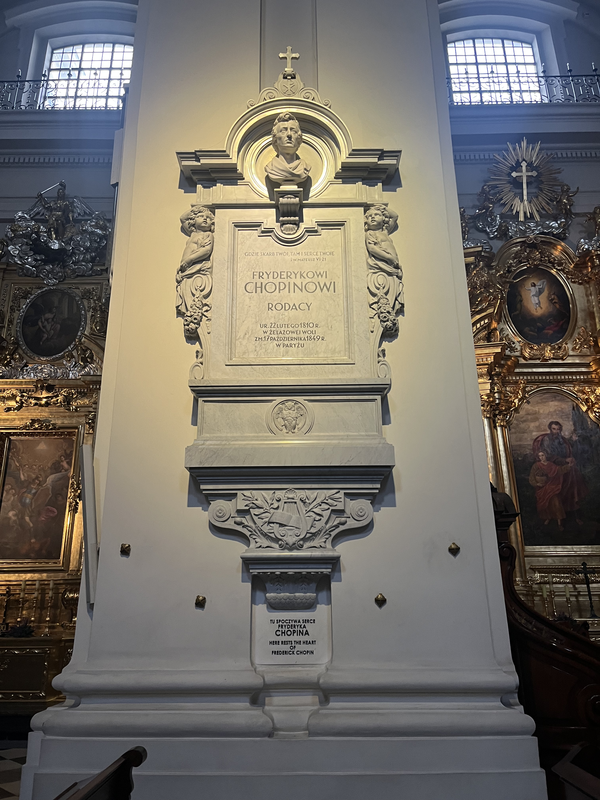
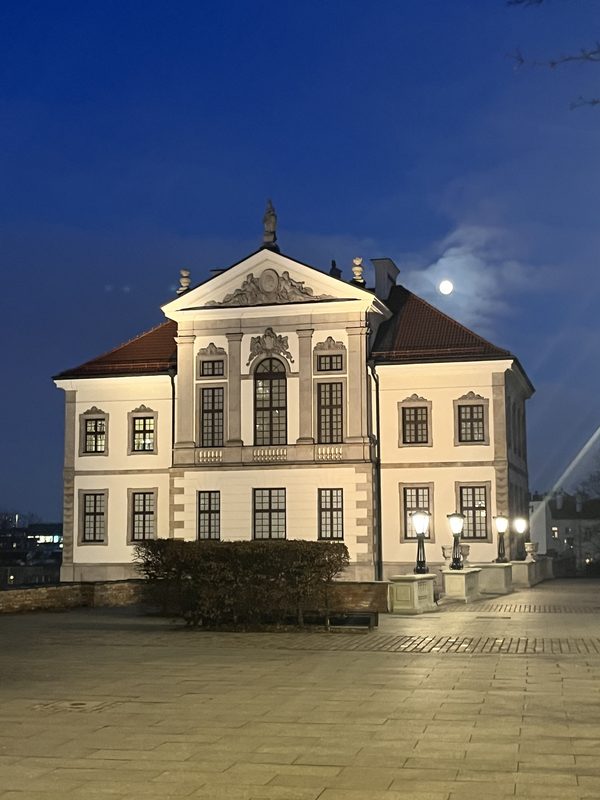
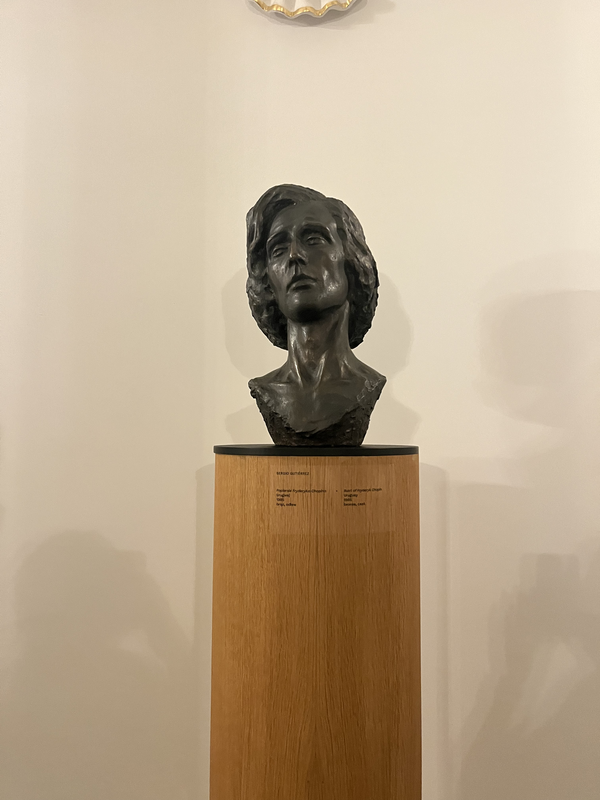
After wandering the Royal Route for a bit, I ended the day of sightseeing at the Fryderyk Chopin Museum located just off the Royal Route. The famed composer was born in Żelazowa Wola an hour outside of Warsaw, and his home there is also open to tour, but the Chopin Museum in Warsaw is great to visit for an overview of Chopin’s life and personal artifacts, including handwritten musical compositions.
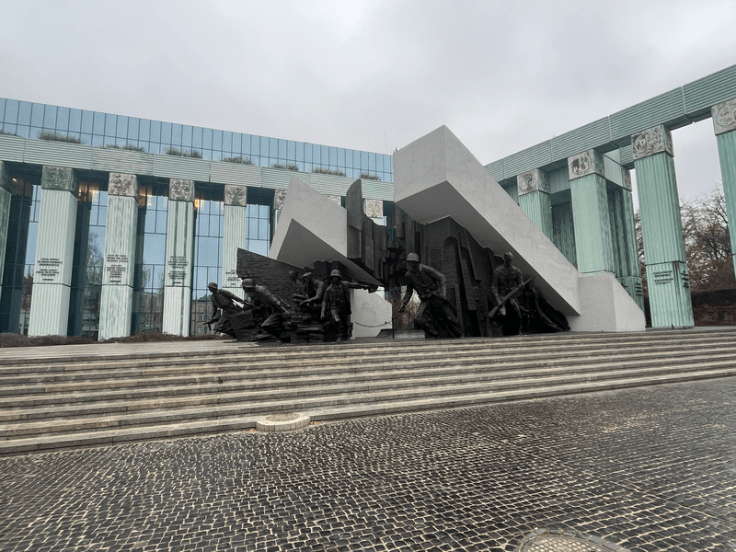
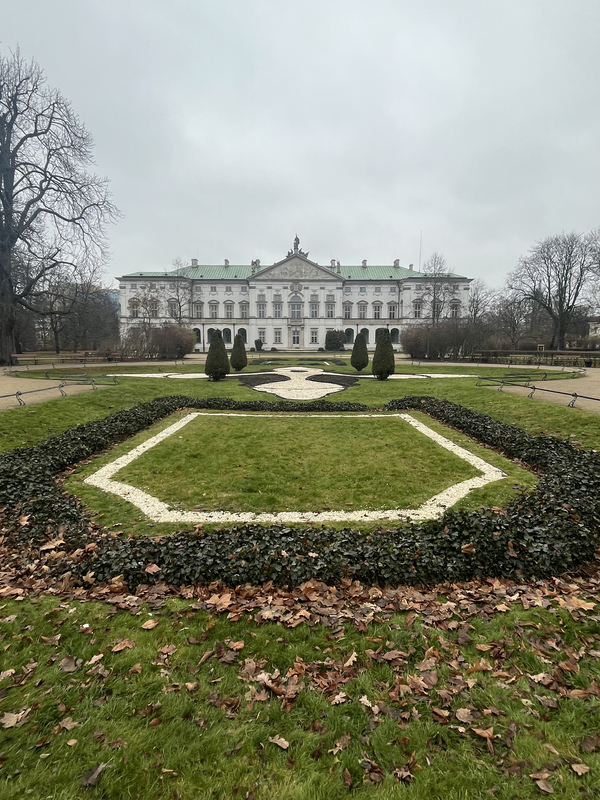
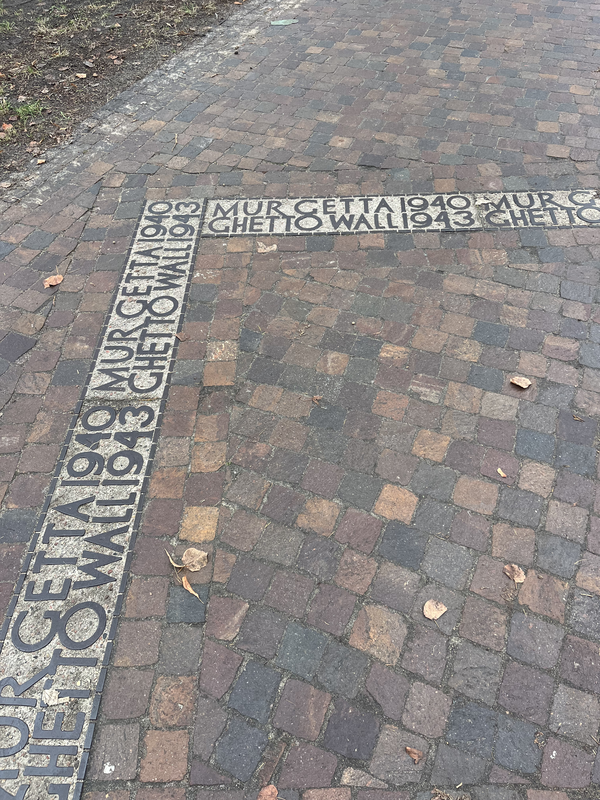
My second day in Warsaw, I set out to visit the POLIN Museum, but along the way stopped off to see the Warsaw Uprising Monument located in Krasiński Square outside the building that houses the Supreme Court of Poland. This bronze monument commemorates the efforts by the Polish resistance to liberate Warsaw from German occupation. Just across the street, I wandered past the reconstructed 1683 Palace of the Commonwealth and the Krasiński Gardens, a great spot for a morning walk. As I came out on the other side of the park, I found a marker noting the location of the ghetto wall during World War II.
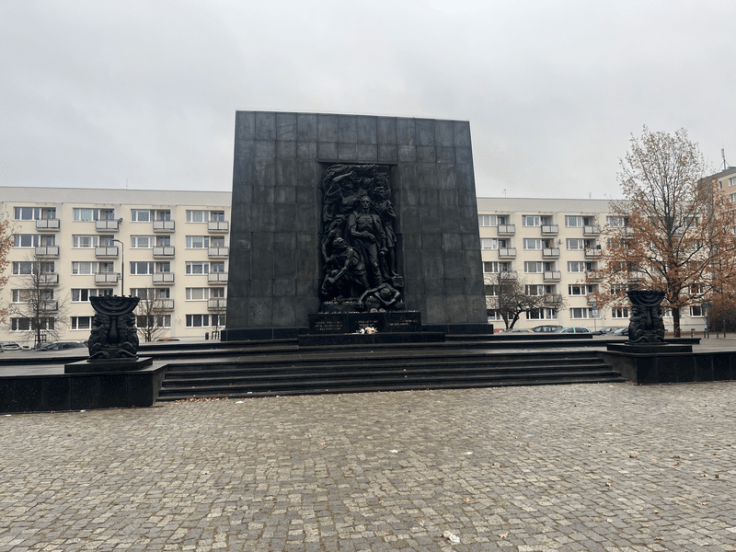
A few blocks further I arrived at the POLIN Museum of the History of Polish Jews, which tells the story of Jews in Poland over 1,000 years. The core exhibition starts in the Middle Ages with the movement of the Jewish people and settlement in Poland, and tells the story of their daily life through the Holocaust, postwar period, and present day. In front of the museum, you can’t miss taking a moment to reflect in front of the Monument to the Ghetto Heroes, recognizing those who gave their lives in a revolt against German troops who were there to deport residents to concentration camps.
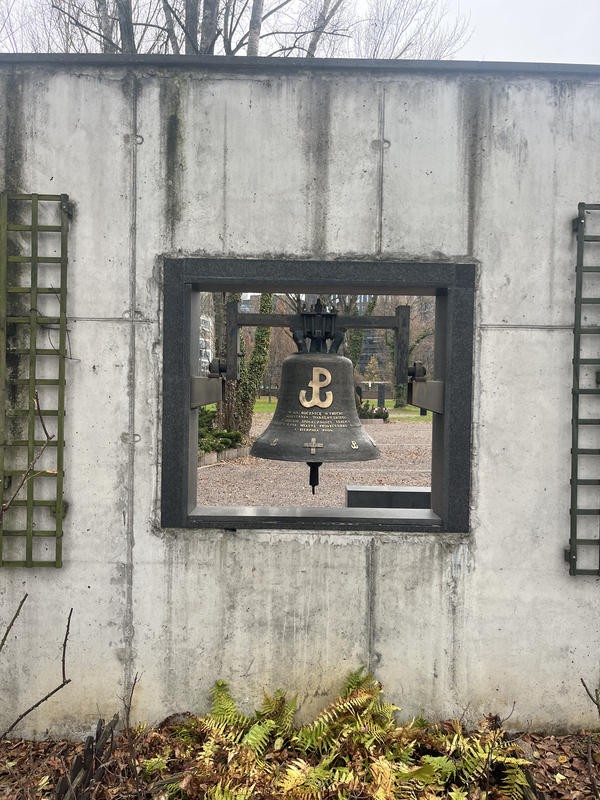
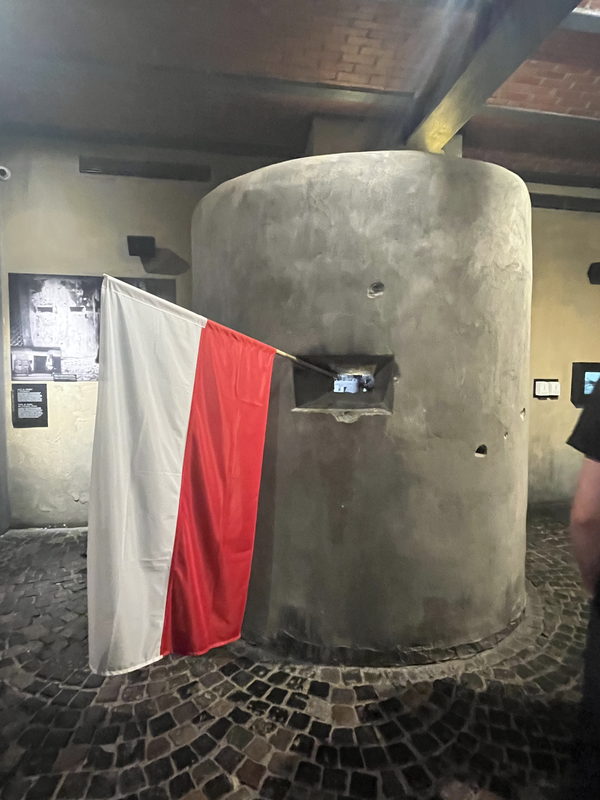
The next day, I visited the Warsaw Rising Museum, a museum dedicated to the Warsaw residents who fought and died trying to liberate their city from German occupation. The museum features a glimpse into daily life in Warsaw from just before the uprising through its aftermath, and also includes an exhibit on Allied airdrops into the area with a replica Liberator B-24J bomber.
After the museum and stopping for lunch, I headed to Ogród Saski (Saxon Garden), the largest public park in the city. Where the park connects with Plac Piłsudskiego, you’ll find the Tomb of the Unknown Soldier, under an arcade that is the only surviving piece of the Saxon Palace that once stood at this location. There are plans to rebuild Saxon Palace, with a goal of completion by 2030. It’s haunting to think that in the 2020s, 80 years after the war, Warsaw is still in the process of rebuilding the things it lost. It just shows how completely decimated the city was.
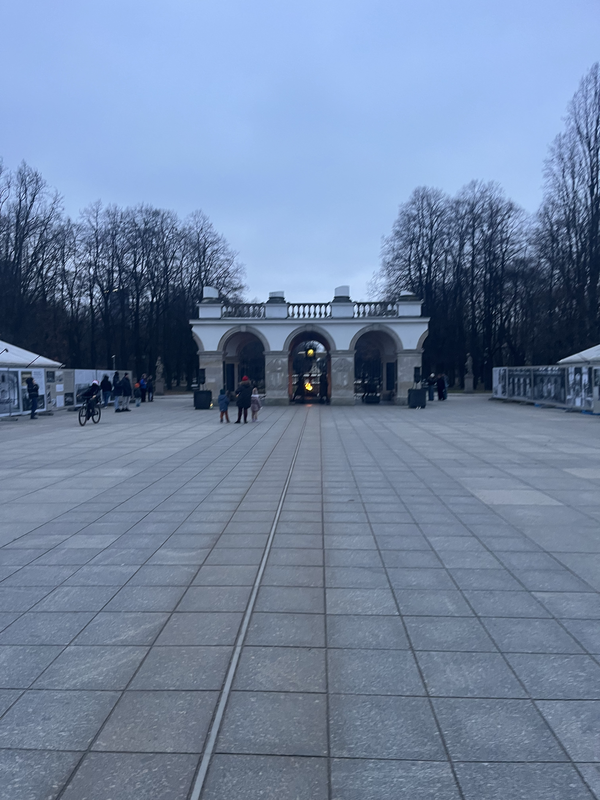
Those thoughts and reflections aside, my visit to Ogród Saski will always be memorable as it’s where I felt the first rumblings of a thankfully short-lived stomach bug I picked up during my time in Warsaw and the urgency of finding a bathroom ASAP. Friendly reminder to always make sure you have some small change with you, as many public restrooms in Poland charge a few złoty for entry!
Eat and Drink
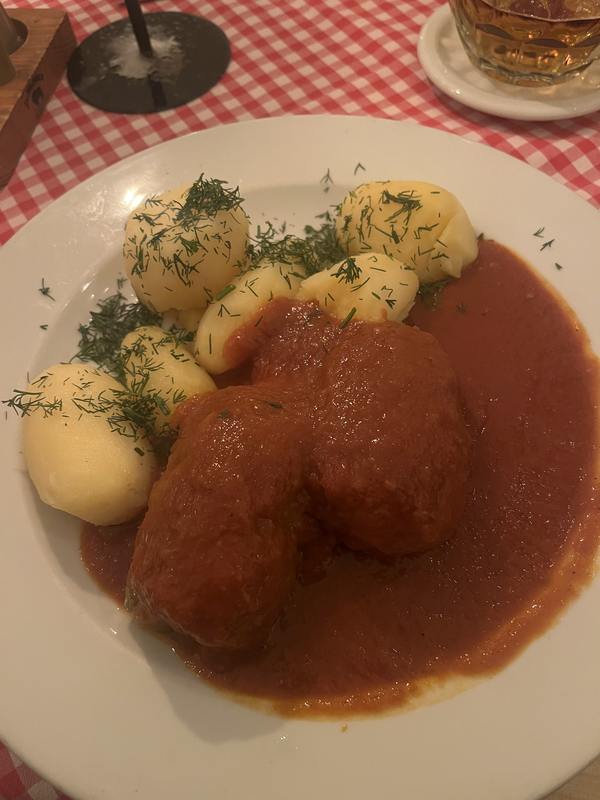
For dinner on my first night in Warsaw, I ate at Podwale 25 Kompania Piwna, located just outside the fortifications of Old Town. The restaurant offers an extensive menu of Polish and regional cuisines. I started with an order of śledź, pickled herring that finds itself on both Polish holiday tables and bar menues alike. I then enjoyed a hearty main course of gołąbki, the Polish specialty of minced meat wrapped in cabbage, boiled, and served with tomato sauce.
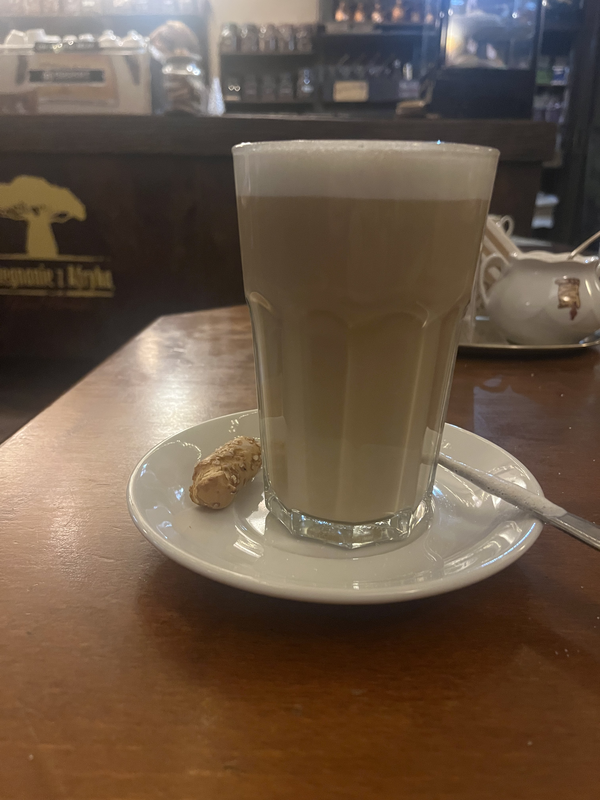
On the morning I visited the POLIN Museum, I stopped on my walk to grab coffee at Pożegnanie z Afryką, also located just beyond the fortifications of Old Town. I had every intention of just grabbing a coffee to go, but this place was so cozy and cute that I decided to sit and have a coffee and a croissant. This place had probably the most extensive coffee menu I had ever seen with beans from all over the world, and I landed on a rare Nepalese coffee.
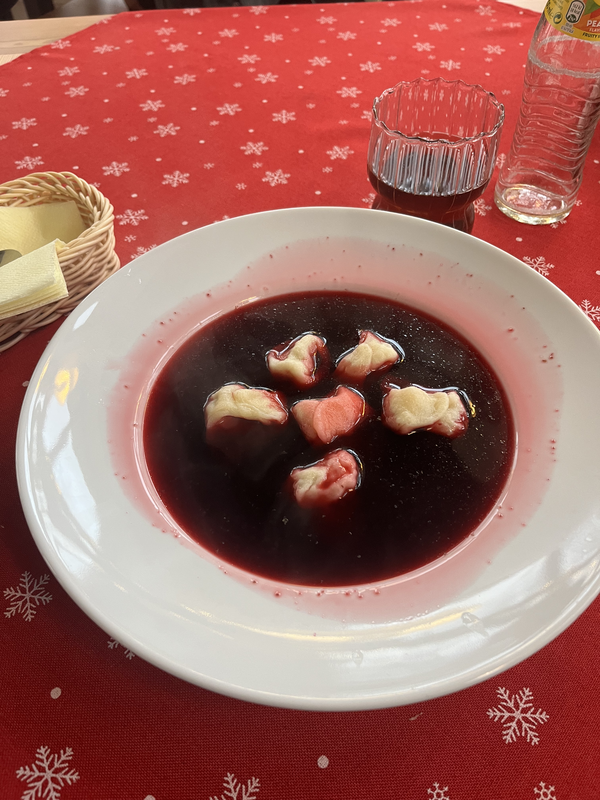
In the midst of my sightseeing, I stopped into Ogród Smaku for a warm bowl of barszcz czerwony (red borscht) a beetroot soup with dumplings that is a Polish favorite for Christmas Eve.
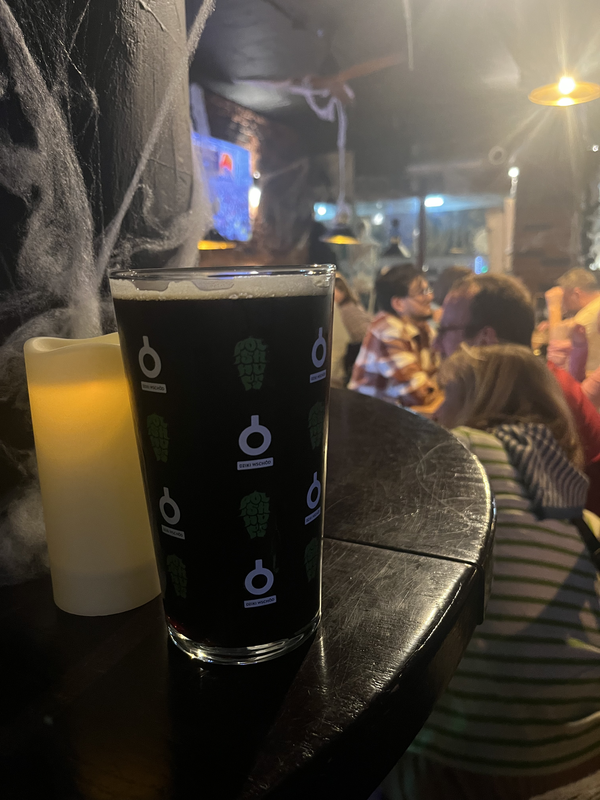
After wandering the Christmas Market for a bit and grabbing some eats there, I spent the evening at Beer & Bones, a craft beer and metal music bar – right up my alley! If I lived in Warsaw, this would be my regular hangout.
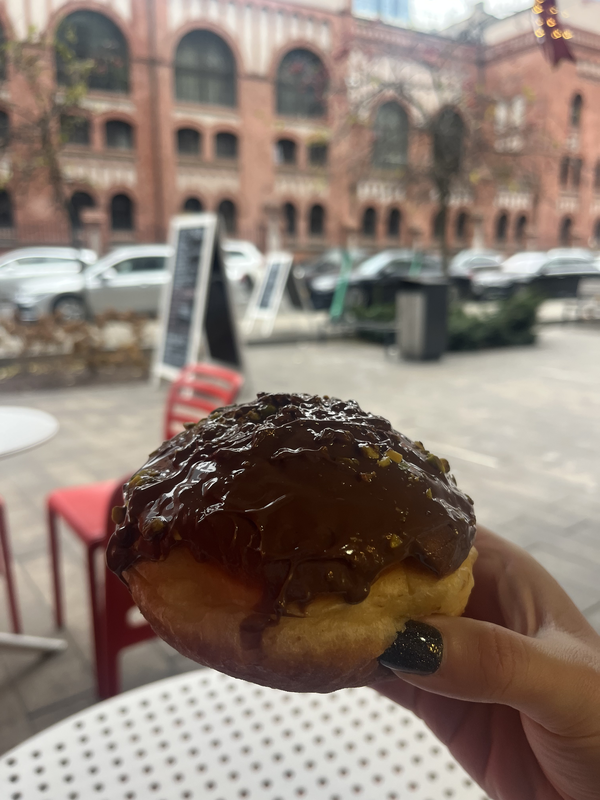
On the day that I was visiting the Warsaw Rising Museum, I looked on Google Maps to see if there was a coffee shop nearby that I could hit for breakfast before the museum, and found Rzemiosło Pracownia right across the street. This place had the most amazing artisanal pączki (donuts)!
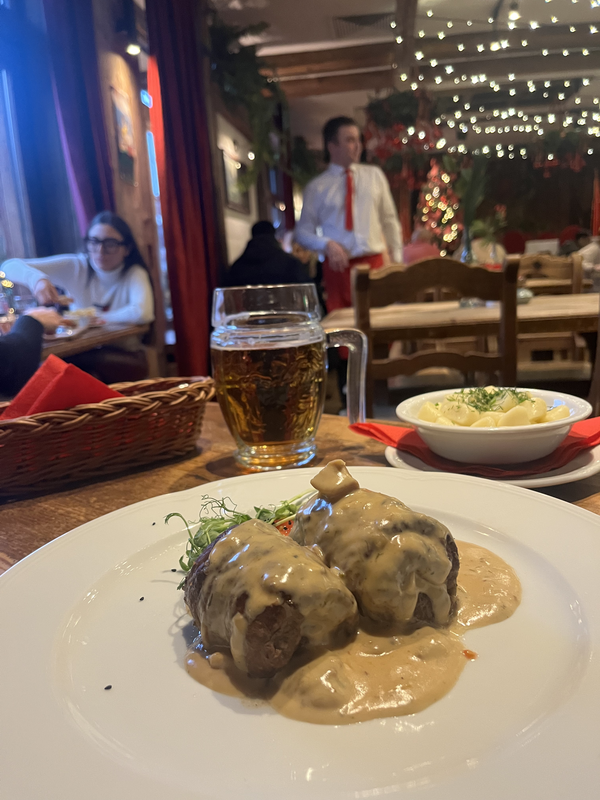
After the Warsaw Rising Museum, I ventured to Restauracja Polska Czerwony Wieprz. This is one of Warsaw’s oldest and most notable restaurants, having seen many celebrities come through its doors. It’s also where early Polish communists gathered to discuss revolution, and legend has it Vladimir Lenin frequented it as well. The restaurant has a tongue-in-cheek communist theme and serves up dishes from the former Soviet Bloc era. I ordered the “Beef paupiettes a’la Marshal Tito,” a favorite dish of the “benevolent dictator” of Yugoslavia.
Despite all its modernity, you can still feel Warsaw’s history through its cultural institutions and its rebuilding. From the meticulously reassembled bricks of the Old Town to the 2030 vision for the Saxon Palace, this is a city that refuses to let the past have the final word. It’s a place of incredible contrasts: the traces of the Ghetto wall sitting just blocks away from cozy, world-class coffee shops and restaurants. Warsaw may have been decimated, but its spirit is indestructible. If you’re looking for a destination that offers both deep soul and a vibrant modern pulse, the Polish capital is waiting.

 C to Shining C
Leave a comment